The holidays bring people home — and they also bring space heaters, crowded kitchens, lit candles, and a live tree in the living room. It is no coincidence that winter is the most dangerous season for house fires. More home fires start in the colder months than at any other time of year, and the days around the holidays are some of the worst of all.
The good news is that the most common winter fires are also the most preventable. This winter fire safety guide covers the biggest seasonal hazards — heating, fireplaces, holiday cooking, trees, and decorations — and exactly how to protect your home through the cold months in Vancouver, WA, Camas, and the greater Portland, OR area.
And if the worst happens, SUREBUILD is here 24/7 for fire, smoke, and water damage cleanup. Call us any time at (360) 975-7274.

Why House Fires Spike in Winter
Fire risk climbs in winter for simple reasons: we run heaters for months, we cook large holiday meals, and we fill our homes with candles, lights, and a drying evergreen tree. Nationally, heating equipment is the second-leading cause of home fires and the leading cause during the coldest months, cooking is the number one cause of home fires year-round, and candle and decoration fires peak in December. Put those together over the holidays and the risk adds up fast.
Knowing where the danger comes from is half the battle. The sections below walk through each one — and what to do about it before it becomes an emergency.
Heating Equipment: The Number One Winter Fire Hazard
Space heaters cause the majority of home heating fire deaths, and most of those fires start the same way — something that can burn was too close to the heat. A few habits prevent almost all of them:
- Keep anything flammable — furniture, bedding, curtains, rugs, laundry — at least three feet from any heater, furnace, or open flame.
- Plug space heaters directly into a wall outlet, never into a power strip or extension cord.
- Turn space heaters off whenever you leave the room or go to sleep.
- Have your furnace serviced each year, and replace furnace filters on schedule.
- Choose heaters with automatic shut-off if they tip over, and keep them on a hard, level surface.
Fireplaces and Chimneys Need Yearly Attention
A fireplace is one of the best parts of winter — and one of the most overlooked hazards. Creosote builds up inside the flue every time you burn wood, and once it ignites a chimney fire can spread into the roof and framing before anyone realizes what is happening.
- Have your chimney inspected and cleaned by a professional once a year, before the heating season.
- Use a metal screen or glass doors to keep sparks and embers from reaching the room.
- Burn only seasoned, dry firewood — never wrapping paper, cardboard, or trash, which can flare and send burning debris up the flue.
- Let ashes cool completely, then store them in a metal container well away from the house.

Holiday Cooking Is the Top Cause of Home Fires
Cooking is the leading cause of home fires all year, and it peaks on the busiest cooking day of the season. A kitchen full of guests, multiple dishes going at once, and a distracted cook is exactly how a small flare-up becomes a house fire.
- Never leave cooking unattended — especially anything frying, boiling, or broiling on the stovetop.
- Keep towels, pot holders, packaging, and loose sleeves away from the burners.
- Keep a lid nearby to smother a grease fire, and never throw water on burning oil.
- If you deep-fry a turkey, do it outside and away from the house, and make sure the turkey is fully thawed — a frozen bird in hot oil causes violent flare-ups.
- Keep children and pets at least three feet from the stove while you cook.
Christmas Trees, Candles, and Decorations
Holiday decorations add a layer of risk that is not there the rest of the year. Tree fires are not common, but when they happen they spread fast and are far more likely to be deadly. Candles and overloaded outlets add to the danger.
- Keep a live tree watered every day — a dry tree can go up in seconds — and keep it at least three feet from any heat source.
- Use lights rated for indoor use, replace any with frayed cords, and switch to LED lights, which run cooler.
- Do not overload outlets or run multiple light strings through a single extension cord.
- Keep candles at least a foot from anything that can burn, never leave them lit unattended, and blow them out before you leave the room or go to bed.
- Turn off tree lights and decorations whenever you leave home or turn in for the night.
Smoke Alarms and an Escape Plan
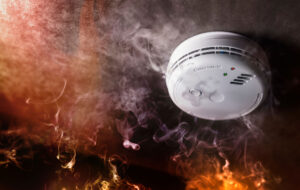
Working smoke alarms cut the risk of dying in a home fire roughly in half — and winter is the time to make sure yours are ready.
- Test every smoke alarm, and replace the batteries if you have not this year.
- Make sure you have alarms on every level of the home and near every sleeping area.
- Replace any smoke alarm that is more than ten years old.
- Practice an escape plan with everyone in the house — two ways out of every room and a meeting spot outside.
If a Fire Does Happen: The First Steps
No amount of prevention removes the risk entirely, so it helps to know what to do before you ever need it. If a fire breaks out, your only job is to get everyone out safely.
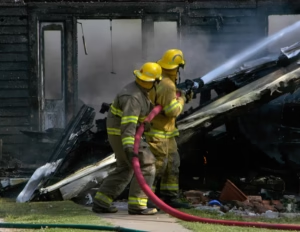
- Get everyone out, stay out, and call 911 — never go back inside for belongings.
- Do not re-enter until the fire department confirms the structure is safe.
- Once it is cleared, photograph and video everything before anything is moved or cleaned.
- Do not touch or wipe soot — rubbing it grinds the residue in and causes permanent staining.
- Keep the HVAC system off so it does not spread soot and smoke through the whole house.
For a complete walkthrough, see our guide on what to do after a house fire.
Why the First 24 Hours Decide the Cost
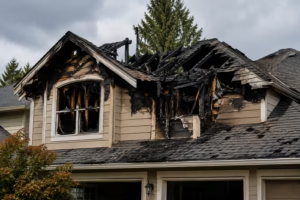
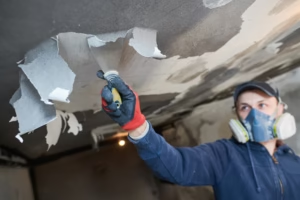
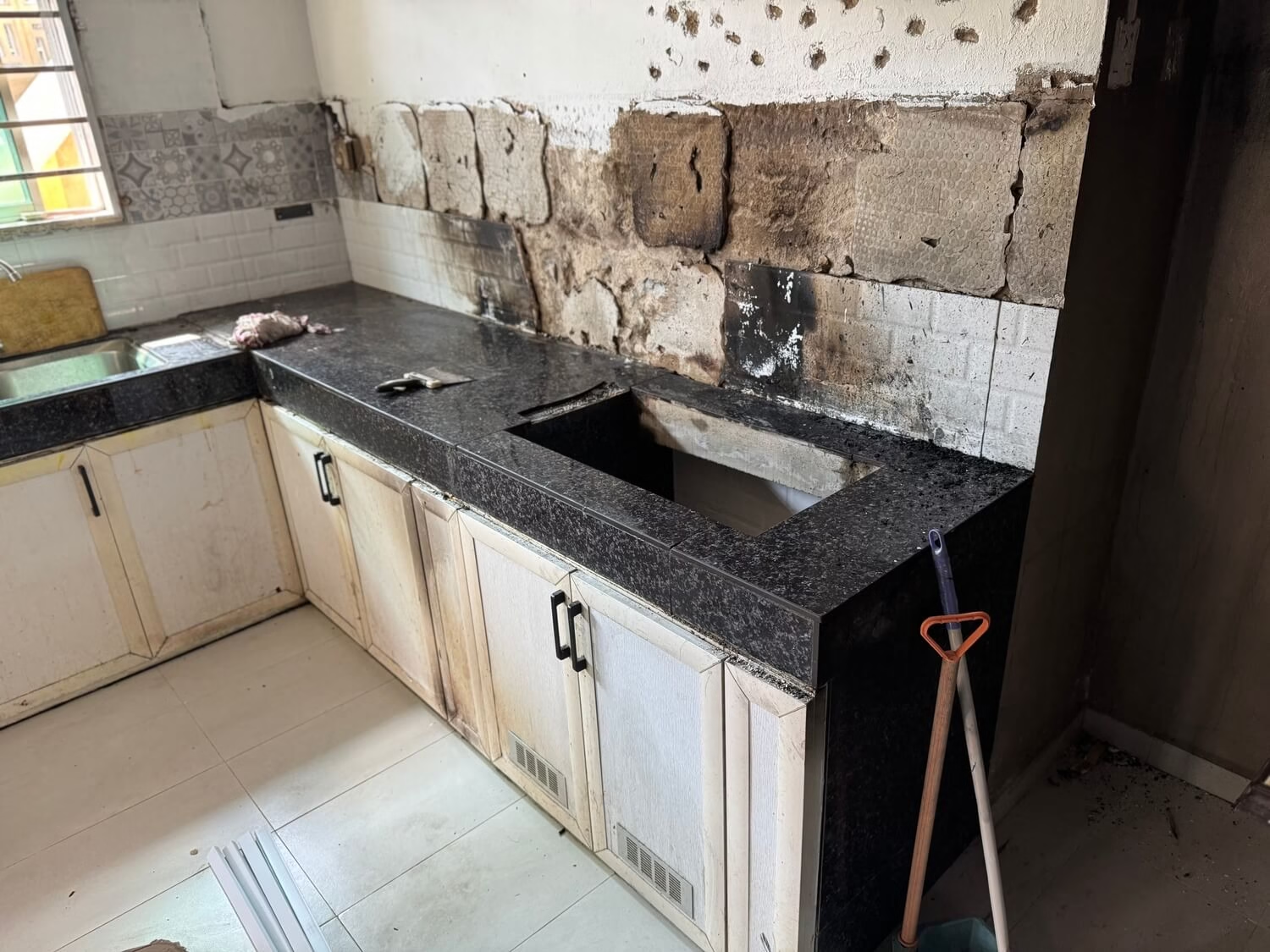
Fire damage does not stop when the flames are out. Soot is acidic, and within hours it begins to etch and permanently stain glass, metal, countertops, and finishes. Smoke penetrates drywall, insulation, upholstery, and cabinetry, carrying odor deep into the home. And the water used to put the fire out soaks into the structure, which in our damp Pacific Northwest winters can start growing mold in as little as 24 to 48 hours. The faster cleanup and drying begin, the more of your home is saved — and the lower the final repair bill. For more on how insurance fits in, see our guide to the insurance claims process after fire and water damage.
Why a Local Team Matters After a Winter Fire
After a fire, response time is everything, and a local crew gets there faster than one dispatched from out of the area. SUREBUILD is licensed, bonded, and insured in both Oregon and Washington, and we handle the entire process under one roof — from emergency board-up and roof tarping through smoke and odor removal and the complete rebuild. That means no juggling multiple contractors and no gap between cleanup and reconstruction. We serve Vancouver, Camas, and the greater Portland area, including fire damage restoration in Vancouver.

The Short Version
Keep anything that burns three feet from heaters and flames, have your chimney cleaned, never leave cooking unattended, water your tree, blow out candles, and test your smoke alarms. Those few habits are the heart of winter fire safety, and they prevent the vast majority of cold-season house fires. And if a fire does happen, get everyone out, leave the soot alone, keep the HVAC off, and call a local, licensed team fast. For 24/7 fire and water damage restoration in Vancouver, WA and the Portland, OR area, call SUREBUILD at (360) 975-7274, or contact SUREBUILD today.