
Water damage can create immediate stress for any homeowner. A burst pipe, overflowing appliance, roof leak, plumbing failure, or storm-related water intrusion can damage flooring, drywall, cabinets, insulation, personal property, and structural materials. When that happens, homeowners often need fast answers about insurance coverage, cleanup, drying, and repairs.
The question does homeowners insurance cover water damage is one of the most common questions homeowners ask after a loss. In many situations, homeowners insurance may cover water damage when the damage is sudden and accidental. However, standard homeowners insurance usually does not cover every type of water damage. Long-term leaks, poor maintenance, groundwater intrusion, and outside flooding may be excluded or may require separate coverage.
SUREBUILD helps homeowners throughout Portland, Vancouver, Camas, Beaverton, Battle Ground, and surrounding communities with professional water damage restoration, fire damage restoration, smoke damage cleanup, emergency mitigation, rebuild services, and insurance-related documentation after property damage.
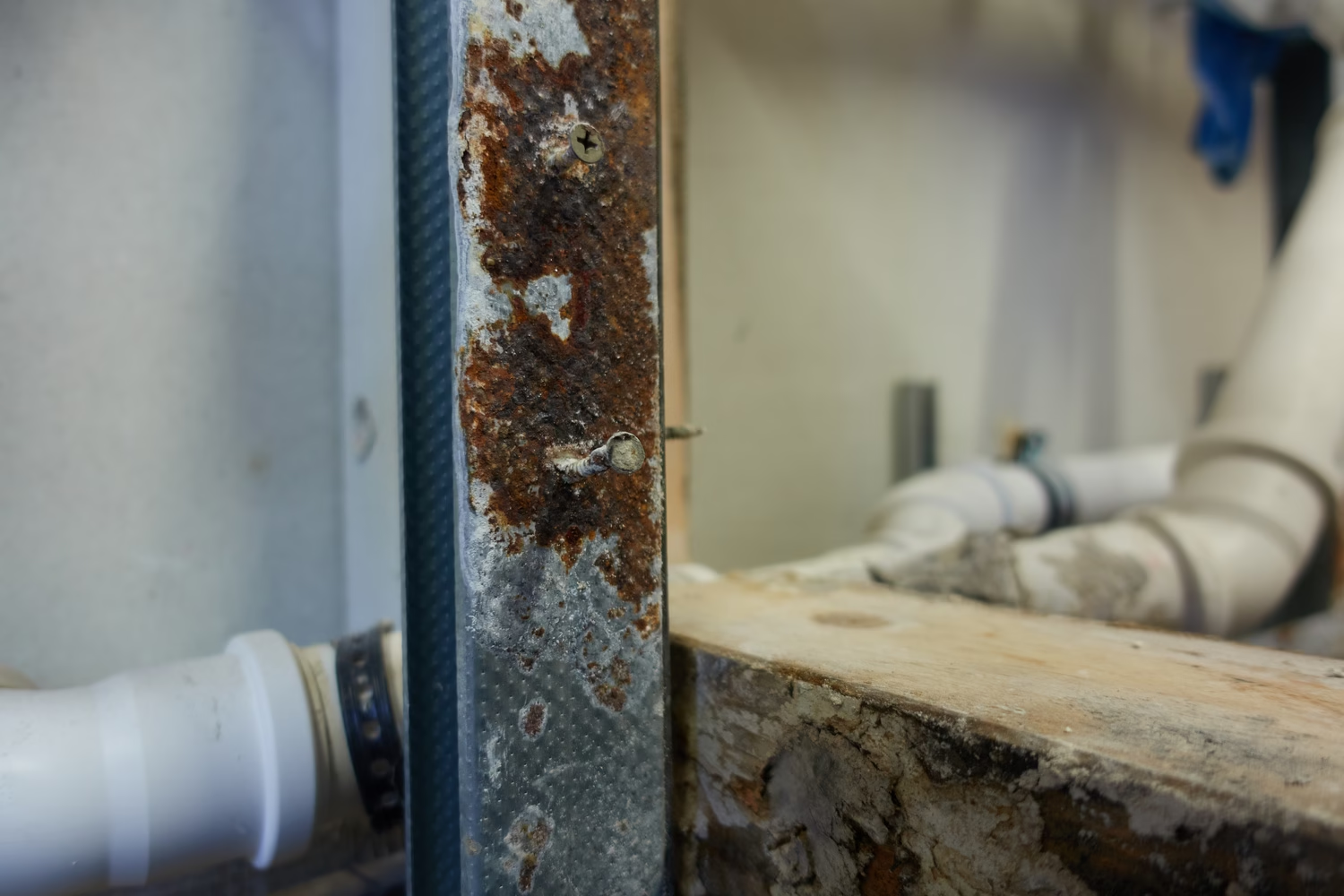
Does Homeowners Insurance Cover Water Damage?
In many cases, homeowners insurance covers water damage when the damage is sudden and accidental. This means the water damage happened unexpectedly and was not caused by a long-term issue that should have been repaired earlier.
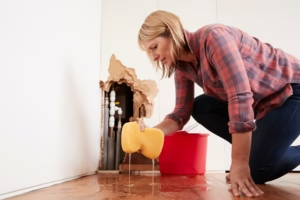
For example, if a pipe suddenly bursts and water damages your floors, walls, and cabinets, your homeowners insurance may help cover water extraction, drying, damaged material removal, and repairs. If a washing machine supply line suddenly fails and floods part of the home, the resulting damage may also be covered depending on the policy.
However, if the damage happened because of a slow leak that was ignored for months, the insurance company may consider it a maintenance issue. If water entered the home from outside flooding, a standard homeowners policy may not apply. That is why the answer to does homeowners insurance cover water damage depends on the cause, timing, documentation, and policy language.
Water Damage That Is Commonly Covered By Homeowners Insurance
Although every policy is different, sudden and accidental water damage is often the type of loss most likely to be covered. Common examples may include:
- Burst pipes
- Sudden plumbing failures
- Water heater leaks
- Washing machine overflows
- Dishwasher leaks
- Refrigerator supply line leaks
- Toilet overflows
- Water damage caused while extinguishing a fire
- Some roof leaks caused by sudden storm damage
If a covered water event damages your home, insurance may help pay for emergency mitigation, demolition of damaged materials, structural drying, cleaning, repairs, and reconstruction. The exact amount of coverage depends on your deductible, policy limits, exclusions, endorsements, and the insurance adjuster’s findings.
This is why professional water damage restoration documentation is important. SUREBUILD can inspect affected areas, identify visible and hidden damage, document moisture concerns, and help homeowners understand the restoration process after water damage.
Water Damage That Is Often Not Covered
Some types of water damage are commonly excluded from standard homeowners insurance policies. These exclusions are one reason homeowners should review their policy before an emergency happens.
Water damage that is often not covered may include:
- Flooding from rivers, lakes, storm surge, or groundwater
- Water seepage through foundation walls
- Long-term plumbing leaks
- Damage caused by poor maintenance
- Sewer backups without a sewer backup endorsement
- Mold caused by ignored moisture problems
- Damage caused by old or neglected plumbing
Flood damage is one of the biggest sources of confusion. Standard homeowners insurance usually does not cover flooding from outside rising water. Many homeowners need a separate flood insurance policy for that type of loss.
So, if you are asking does homeowners insurance cover water damage after a heavy rain event, groundwater intrusion, or neighborhood flooding, the answer may be different than if the damage came from a sudden burst pipe inside your home.
Why The Source Of Water Matters
Insurance companies usually look closely at where the water came from. The source of the water can affect whether the claim is approved, denied, limited, or referred to another type of coverage.
A sudden broken pipe is different from water that slowly leaked under a sink for six months. A roof leak caused by storm damage is different from a roof leak caused by years of missing shingles and lack of maintenance. A toilet overflow is different from a sewer backup. A washing machine overflow is different from groundwater entering through a basement wall.
Because the source matters, homeowners should avoid guessing. If you have water damage, take photos, stop the water if it is safe, contact your insurance company, and schedule a professional inspection. A restoration team can help determine how far moisture traveled and what materials may be affected.
Why Fast Water Damage Restoration Matters
Even when insurance coverage is still being reviewed, water damage restoration should begin quickly. Water does not wait for paperwork. Moisture can spread through flooring, drywall, trim, cabinets, insulation, and framing within hours.
Fast water damage restoration helps reduce secondary damage. It can also help protect your home from mold growth, odors, structural deterioration, and more expensive repairs. The sooner the affected materials are inspected and dried, the better chance you have of limiting the damage.
Professional water damage restoration may include:
- Emergency inspection
- Water extraction
- Moisture mapping
- Drying equipment setup
- Dehumidification
- Removal of damaged materials
- Cleaning and sanitizing
- Rebuild planning
- Insurance documentation
SUREBUILD provides professional water damage restoration for homeowners throughout Portland, Vancouver, Camas, Beaverton, Battle Ground, and nearby Pacific Northwest communities.
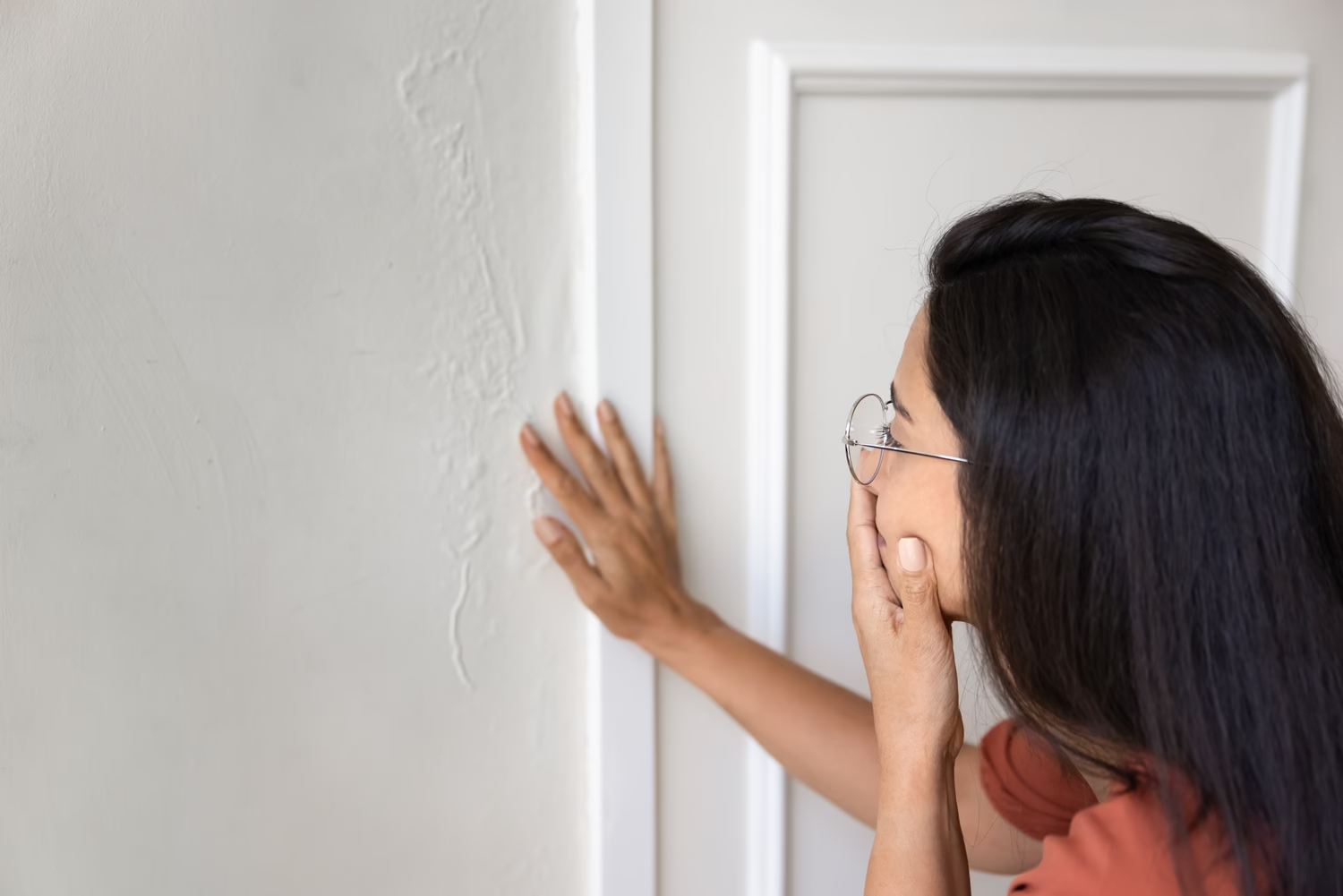
What To Do Immediately After Water Damage
If water damage happens inside your home, safety should come first. Do not enter standing water if electrical hazards may be present. Do not walk into rooms where ceilings, walls, or floors appear unstable. If the damage involves sewage, contaminated water, or major flooding, avoid contact with affected materials.
If it is safe, take these steps:
- Stop the source of water if possible.
- Shut off water to the affected fixture or home if needed.
- Move valuables away from wet areas.
- Take photos and videos of visible damage.
- Contact your insurance company.
- Call a professional restoration company.
- Avoid throwing away damaged materials until they are documented.
Photos and videos can be helpful for a water damage insurance claim. Try to document affected flooring, walls, ceilings, furniture, cabinets, belongings, and the suspected water source before cleanup begins.
Should You Call Insurance Or A Restoration Company First?
In many cases, you should contact both as soon as possible. Your insurance company can open a claim and explain the next steps. A restoration company can inspect the damage, help reduce further moisture problems, and begin emergency mitigation.
If the damage is active and spreading, waiting too long can make the situation worse. Insurance companies often expect homeowners to take reasonable steps to prevent additional damage after a loss.
That is why water extraction, drying, and emergency mitigation are so important. The goal is to stabilize the property and reduce further damage while the claim process moves forward.
Can A Restoration Company Help With Insurance Documentation?
Yes. A professional restoration company can help document affected areas, provide photos, identify visible damage, locate moisture concerns, and outline the restoration process. This does not replace your insurance adjuster, but it can help create a clearer record of the damage.
SUREBUILD works with homeowners during water damage, fire damage, smoke damage, storm damage, and rebuild projects. Our team understands how stressful property damage can be, especially when insurance questions are involved.
If you are asking does homeowners insurance cover water damage, it is usually because you are already dealing with a stressful situation. Having an experienced restoration team involved early can make the process easier to manage.
How Mold Can Affect A Water Damage Claim
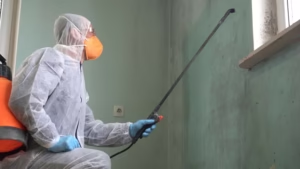
Mold is one of the biggest concerns after water damage. Moisture trapped behind walls, under flooring, inside cabinets, or in crawl spaces can create the right conditions for mold growth. In some situations, mold can begin developing within 24 to 48 hours.
Insurance coverage for mold can vary. Some policies include limited mold coverage if the mold resulted from a covered water damage event. Other policies may exclude mold or limit the amount they will pay.
This is another reason fast water damage restoration matters. The quicker the structure is dried properly, the lower the risk of mold spreading throughout the property.
Does Insurance Cover Water Damage From A Leaking Roof?
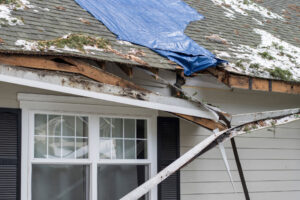
Roof leak coverage depends on why the roof leaked. If a storm suddenly damages the roof and water enters the home, insurance may cover the resulting interior water damage. If the roof leaked because it was old, neglected, or already failing, the claim may be denied.
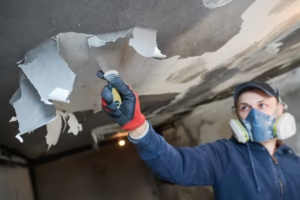
For homeowners in Portland and Southwest Washington, roof leaks can happen after heavy rain, wind, falling branches, or storm events. If you notice ceiling stains, dripping water, bubbling paint, or musty odors after a storm, it is important to have the area inspected quickly.
Does Insurance Cover Water Damage From A Burst Pipe?
Water damage from a burst pipe is one of the more common covered losses under many homeowners insurance policies. If a pipe suddenly breaks and damages your home, insurance may help pay for cleanup and repairs.
However, the insurance company may look at whether the home was properly maintained. If a pipe froze because the heat was turned off for an extended period, or if a known plumbing problem was ignored, coverage could become more complicated.
If your home has a burst pipe, stop the water, contact a plumber if needed, and call a restoration company for water extraction, drying, and documentation.
Does Insurance Cover Water Damage From Appliances?
Homeowners insurance may cover sudden water damage from appliances such as washing machines, dishwashers, refrigerators, or water heaters. For example, if a supply line breaks and floods part of the home, the resulting damage may be covered.
However, if an appliance has been leaking slowly for months and the homeowner did not repair it, the damage may be considered maintenance-related and may not be covered.
Homeowners should regularly inspect appliance supply lines, water heaters, laundry rooms, and areas under sinks for moisture, staining, soft flooring, or musty odors.
Does Insurance Cover Water Damage In A Crawl Space?
Crawl space water damage can be complicated. If the water entered because of a sudden plumbing failure, coverage may be possible. If the water came from groundwater, poor drainage, or long-term moisture intrusion, standard homeowners insurance may not cover the damage.
Crawl spaces are often overlooked until moisture has already caused wood damage, insulation damage, odors, or mold concerns. If your home has a crawl space, regular inspections can help catch water problems earlier.
How Long Does A Water Damage Insurance Claim Take?
The timeline depends on the insurance company, the severity of the damage, the amount of documentation needed, and whether additional inspections are required. Some claims move quickly, while more complex claims involving structural repairs, mold, or large rebuilds may take longer.
Water damage restoration often begins before the full repair estimate is finalized because emergency mitigation is time-sensitive. The drying and cleanup phase may take several days, while reconstruction can take longer depending on the extent of the damage.
Why Homeowners Choose SUREBUILD
Water damage is stressful, especially when insurance, cleanup, and repairs all need to happen at the same time. SUREBUILD helps homeowners recover from property damage with restoration and rebuild services designed to make the process easier.
Our team provides support for:
- Water damage restoration
- Fire damage restoration
- Smoke damage cleanup
- Storm damage repairs
- Home rebuild services
- Insurance-related restoration projects
SUREBUILD serves homeowners throughout Portland, Vancouver, Camas, Beaverton, Battle Ground, and surrounding Pacific Northwest communities.
Final Answer: Does Homeowners Insurance Cover Water Damage?
So, does homeowners insurance cover water damage? In many cases, yes, but usually only when the damage is sudden and accidental. Burst pipes, appliance failures, and sudden plumbing leaks may be covered. Flooding, long-term leaks, poor maintenance, and groundwater intrusion are often excluded or require separate coverage.
The best thing homeowners can do is act quickly. Stop the water if it is safe, document the damage, contact your insurance company, and call a professional restoration company to inspect, dry, and restore the affected areas.
If your home has experienced water damage in Portland, Vancouver, Camas, Beaverton, Battle Ground, or nearby areas, SUREBUILD can help with professional cleanup, drying, restoration, rebuild services, and insurance-related documentation.
Contact SUREBUILD today to schedule an inspection and get help after water damage.