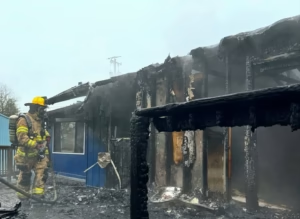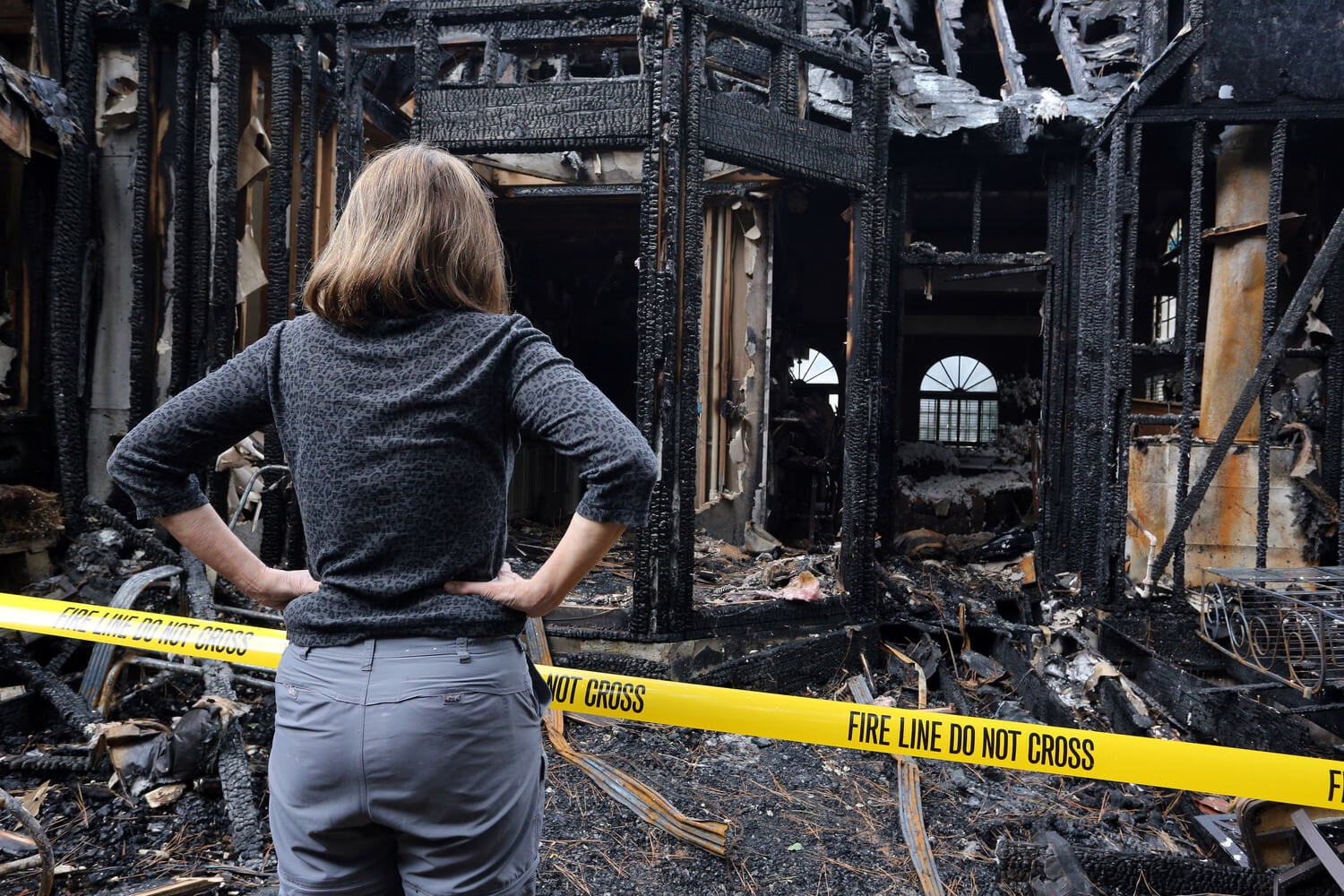

Knowing What To Do After A House Fire can make the first hours after a fire less confusing and help protect your family, your property, and your insurance claim. A house fire can leave homeowners dealing with smoke, soot, water from firefighting efforts, damaged belongings, unsafe rooms, insurance questions, and uncertainty about what happens next.
The most important priorities are safety, documentation, emergency stabilization, and choosing a qualified restoration company that can guide the property from cleanup through reconstruction. Acting quickly can help reduce additional damage and create a clearer path toward recovery.
This guide explains What To Do After A House Fire for homeowners in Orchards, Battle Ground, Vancouver, Camas, Ridgefield, Portland, and surrounding Pacific Northwest communities.

What To Do After A House Fire: The First Steps
The first few hours after a house fire are focused on personal safety and preventing additional damage. Even after the flames are extinguished, the property may contain hot spots, unstable walls, damaged wiring, contaminated water, sharp debris, weakened flooring, and toxic smoke residue.
Do not enter the home until the fire department or another qualified authority confirms that it is safe. A property can look stable from the outside while serious hazards remain inside.
If you are unsure What To Do After A House Fire, begin with these priorities:
- Confirm that every person and pet is safe.
- Call emergency services if the fire is still active.
- Wait for the fire department to clear the property.
- Contact your insurance company.
- Arrange emergency board-up or roof tarping if needed.
- Document visible damage with photos and video.
- Contact a professional fire damage restoration company.
1. Make Sure Everyone Is Safe
Your first responsibility is the safety of your family, pets, tenants, employees, or anyone else who may have been inside the property. Move everyone to a safe location away from smoke, heat, falling debris, and emergency equipment.
Even if someone appears to be fine, smoke inhalation can cause delayed symptoms. Seek medical attention if anyone experiences coughing, dizziness, difficulty breathing, chest discomfort, confusion, nausea, or unusual fatigue.
Do not return inside to collect valuables. Firefighters are trained to assess conditions that may not be obvious to homeowners.
2. Do Not Enter Until The Property Is Cleared
One of the most important parts of What To Do After A House Fire is understanding that the danger does not end when the visible fire is gone.
Potential hazards include weakened floors, damaged electrical wiring, gas leaks, hot spots, broken glass, contaminated water, unstable ceilings, and airborne smoke residue.
Wait for official permission before entering. If the property is heavily damaged, a restoration professional, structural engineer, or building official may need to inspect it before cleanup begins.
3. Contact Your Insurance Company
Call your insurance carrier as soon as possible. Ask how to begin the claim, what documentation is required, whether temporary housing is covered, and what emergency work can begin immediately.
Write down the claim number, adjuster’s contact information, and the date and time of every conversation. Keep receipts for hotels, meals, clothing, transportation, pet boarding, and emergency supplies because some policies may reimburse eligible living expenses.
Your insurance company determines coverage, but a qualified restoration contractor can help document the damage, prepare estimates, explain the scope of work, and communicate with the adjuster.
4. Secure The Property Against Additional Damage
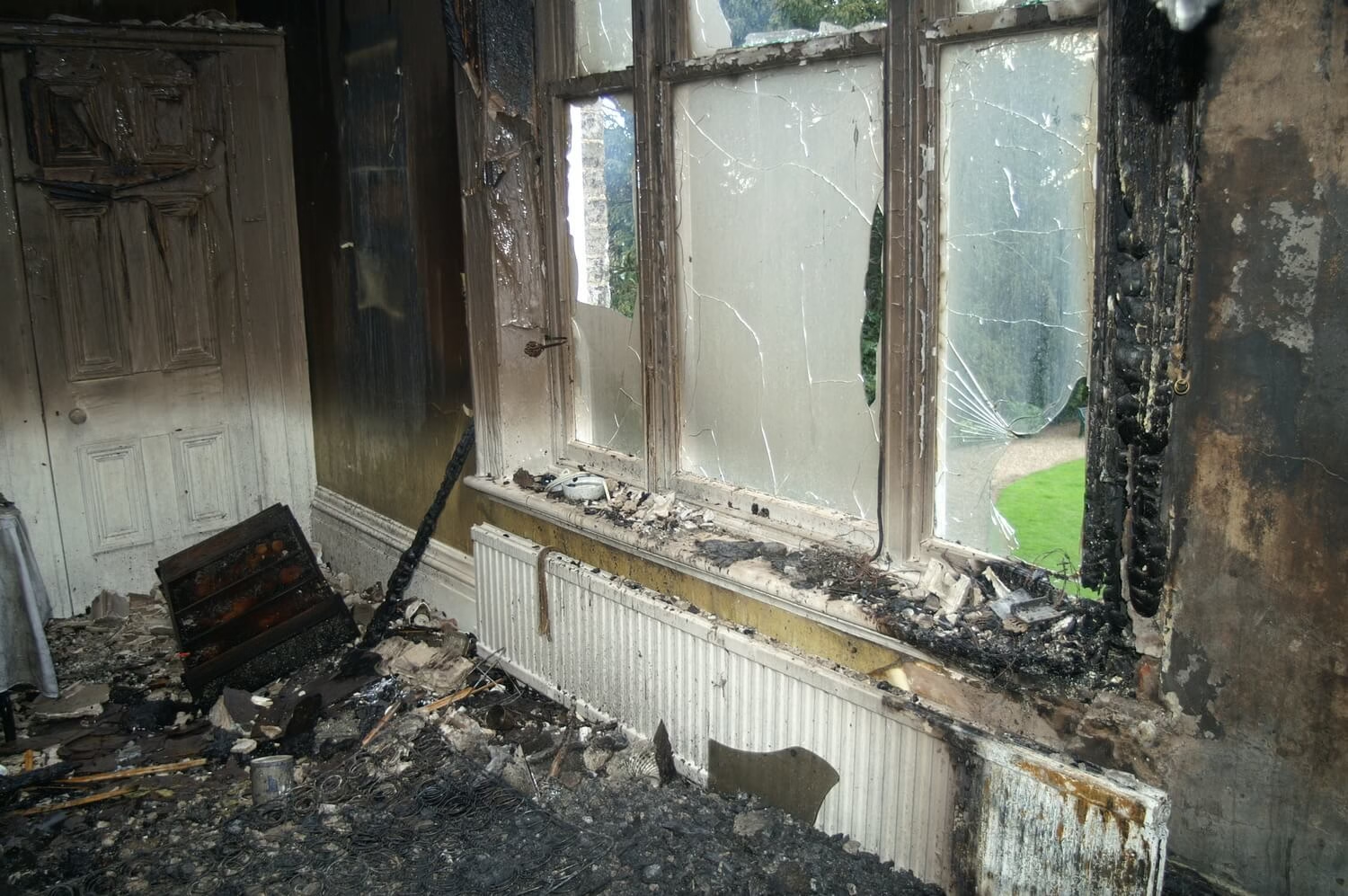
Fire-damaged homes are often exposed to weather, theft, animals, and unauthorized entry. Broken windows, missing doors, roof openings, and damaged walls can allow rain and wind to create additional damage.
Emergency stabilization may include boarding windows and doors, installing temporary roof tarps, fencing unsafe areas, removing dangerous debris, shutting off utilities, and preventing water intrusion.
Homeowners in Orchards who need local assistance can learn more about Fire Damage Restoration Orchards WA. Property owners near Battle Ground can visit the Fire Damage Restoration Battle Ground WA page for emergency restoration support.
5. Document Everything Before Cleanup Begins
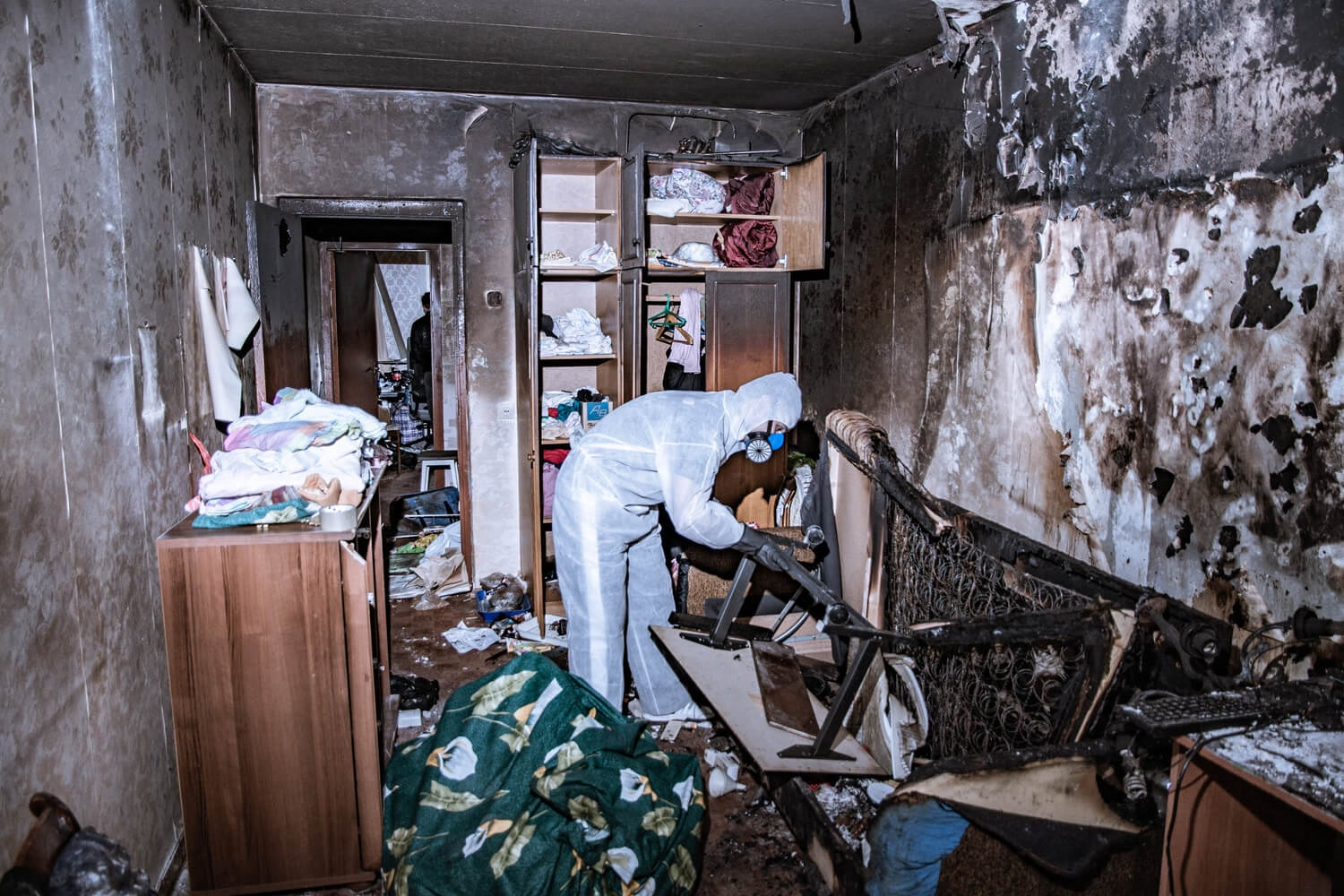
Documentation is a critical part of What To Do After A House Fire. Before damaged materials are removed, take clear photos and videos of every affected area that can be accessed safely.
Capture wide shots of each room, close-ups of damaged materials, exterior damage, smoke staining, water damage, broken windows, damaged belongings, and structural concerns. Photograph serial numbers on appliances and electronics when possible.
Create a room-by-room inventory of damaged personal property. Include the item name, estimated age, approximate purchase price, brand, model, and condition. Old receipts, bank statements, online order histories, and family photos may help verify ownership.
Do not throw away damaged belongings until your insurance company or restoration team tells you it is appropriate. Some items may need to be inspected, documented, cleaned, or included in the claim.
6. Avoid Common Cleanup Mistakes
Many homeowners want to begin cleaning immediately, but incorrect cleaning methods can make smoke and soot damage worse.
- Do not wipe soot-covered walls with water.
- Do not use a household vacuum on soot.
- Do not turn on damaged appliances.
- Do not use ceiling fans if wiring may be compromised.
- Do not wash smoke-damaged clothing without professional guidance.
- Do not paint over smoke residue or odor.
- Do not enter rooms with unstable ceilings or flooring.
Soot is oily and can spread when rubbed. Household cleaning products may permanently set stains into walls, upholstery, carpet, and other materials. Professional fire restoration equipment and cleaning methods are designed to remove residue without causing additional damage.
7. Understand The Different Types Of Fire Damage
A house fire usually causes more than visible burn damage. A complete restoration plan may need to address several overlapping types of damage.
Direct Fire Damage
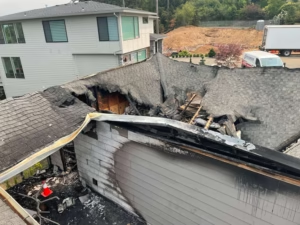
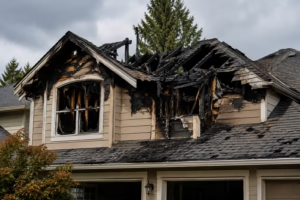
Flames can destroy framing, roofing, drywall, cabinets, flooring, windows, doors, and personal belongings. Severely burned materials often need to be removed and rebuilt.
Smoke Damage
Smoke can travel through rooms, wall cavities, ductwork, attics, and closed cabinets. It may affect areas far from the original fire.
Soot Damage
Soot is a fine residue created by incomplete combustion. Different materials create different types of soot, and each may require a specific cleaning method.
Water Damage
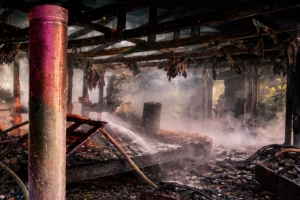
Fire hoses, sprinkler systems, and broken plumbing can leave large amounts of water inside the home. Water removal and structural drying may need to begin immediately.
Odor Damage
Smoke odor can become trapped in insulation, drywall, wood, carpet, upholstery, and personal belongings. Deodorization usually requires more than air fresheners or surface cleaning.
8. Arrange Temporary Housing And Essential Needs
Depending on the severity of the damage, you may not be able to live in the home during cleanup and reconstruction. Ask your insurance carrier whether your policy includes Additional Living Expense coverage.
This coverage may help pay for hotel or rental housing, meals, laundry, pet boarding, storage, and extra transportation. Save every receipt and keep records organized by date and category.
9. Contact A Professional Fire Damage Restoration Company
If you are researching What To Do After A House Fire, one of the most important decisions is choosing a restoration company that can manage both emergency cleanup and the rebuild.
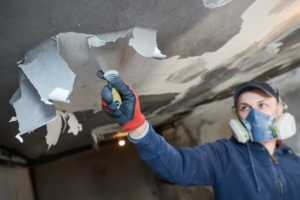
A full-service restoration team may provide emergency board-up, fire damage assessment, water extraction, structural drying, smoke and soot cleanup, odor removal, contents handling, demolition, insurance documentation, repairs, and reconstruction.
Using one company for mitigation and reconstruction can simplify communication and reduce delays between the cleanup and rebuild phases.
10. Ask The Right Questions Before Hiring
Before choosing a contractor, ask about licensing, insurance, experience, communication, emergency response, and reconstruction capabilities.
- Are you licensed, bonded, and insured?
- Do you provide emergency fire damage services?
- Can you handle cleanup and reconstruction?
- Do you work with insurance companies?
- Will you provide a written scope of work?
- How will project updates be communicated?
- Who will be my main point of contact?
- Do you provide free inspections?
11. Prepare For The Insurance Inspection
The insurance adjuster may inspect the property and review the damage. Be prepared to share photos, videos, inventories, receipts, emergency service invoices, and contractor estimates.
Walk through the property with the adjuster if it is safe. Point out smoke damage, water damage, hidden areas of concern, and personal property losses.
12. Understand The Restoration Process
Homeowners often ask how long the process takes. The answer depends on the severity of the damage, insurance approvals, material availability, permitting, and reconstruction needs.
- Emergency response and stabilization
- Inspection and damage assessment
- Insurance documentation and scope development
- Contents removal or protection
- Water extraction and drying
- Removal of unsalvageable materials
- Smoke, soot, and odor remediation
- Structural repairs and reconstruction
- Final cleaning and inspection
Minor projects may take days or weeks, while severe fires requiring major reconstruction can take several months.
13. Protect Important Documents And Financial Records
If documents are damaged but still present, do not throw them away. Birth certificates, passports, titles, insurance policies, tax records, photographs, and legal documents may sometimes be cleaned or restored.
Contact the issuing agency to replace items that cannot be saved. Notify banks and credit card companies if financial information may have been exposed while the property was unsecured.
14. Take Care Of Your Family’s Emotional Health
Understanding What To Do After A House Fire also means recognizing the emotional impact. A house fire can cause anxiety, grief, sleep problems, fear, and a sense of losing control.
Children may need extra reassurance and simple explanations about what is happening. Maintain routines where possible and allow family members time to process the event.
15. Watch Out For Restoration Scams
After a major fire, homeowners may be approached by contractors who appear without being requested. Be cautious of anyone who demands large upfront payments, pressures you to sign immediately, promises guaranteed insurance coverage, or cannot provide licensing and insurance information.
Verify credentials, read contracts carefully, and avoid signing over insurance benefits without understanding the agreement.
Why Fast Action Matters
Fast action is a major part of What To Do After A House Fire because secondary damage can continue after the fire is extinguished.
Water can soak into walls and floors, mold may develop, soot can corrode metal surfaces, smoke odor can settle deeper into porous materials, and rain can enter through damaged roofing.
Emergency stabilization, water extraction, drying, and professional cleanup can help reduce further deterioration and may lower the amount of reconstruction required.
Why Homeowners Choose SUREBUILD
SUREBUILD helps homeowners through fire damage cleanup, smoke and soot restoration, water mitigation, insurance-related documentation, repairs, and complete reconstruction.
Our team serves residential and commercial property owners throughout Vancouver, Orchards, Battle Ground, Camas, Ridgefield, Portland, and surrounding Pacific Northwest communities.
Homeowners needing local service can learn more about Fire Damage Restoration Orchards WA or visit our Battle Ground fire damage restoration page.
Final Answer: What To Do After A House Fire
So, What To Do After A House Fire? Start by making sure everyone is safe, stay out of the property until officials give permission, contact your insurance company, secure the home against additional damage, document everything, and call a qualified fire damage restoration company.
Do not attempt to clean soot, operate damaged appliances, or enter unstable areas without professional guidance. Fast action can help prevent additional water, smoke, odor, and structural damage.
Contact SUREBUILD today to schedule a free inspection and begin the recovery process.