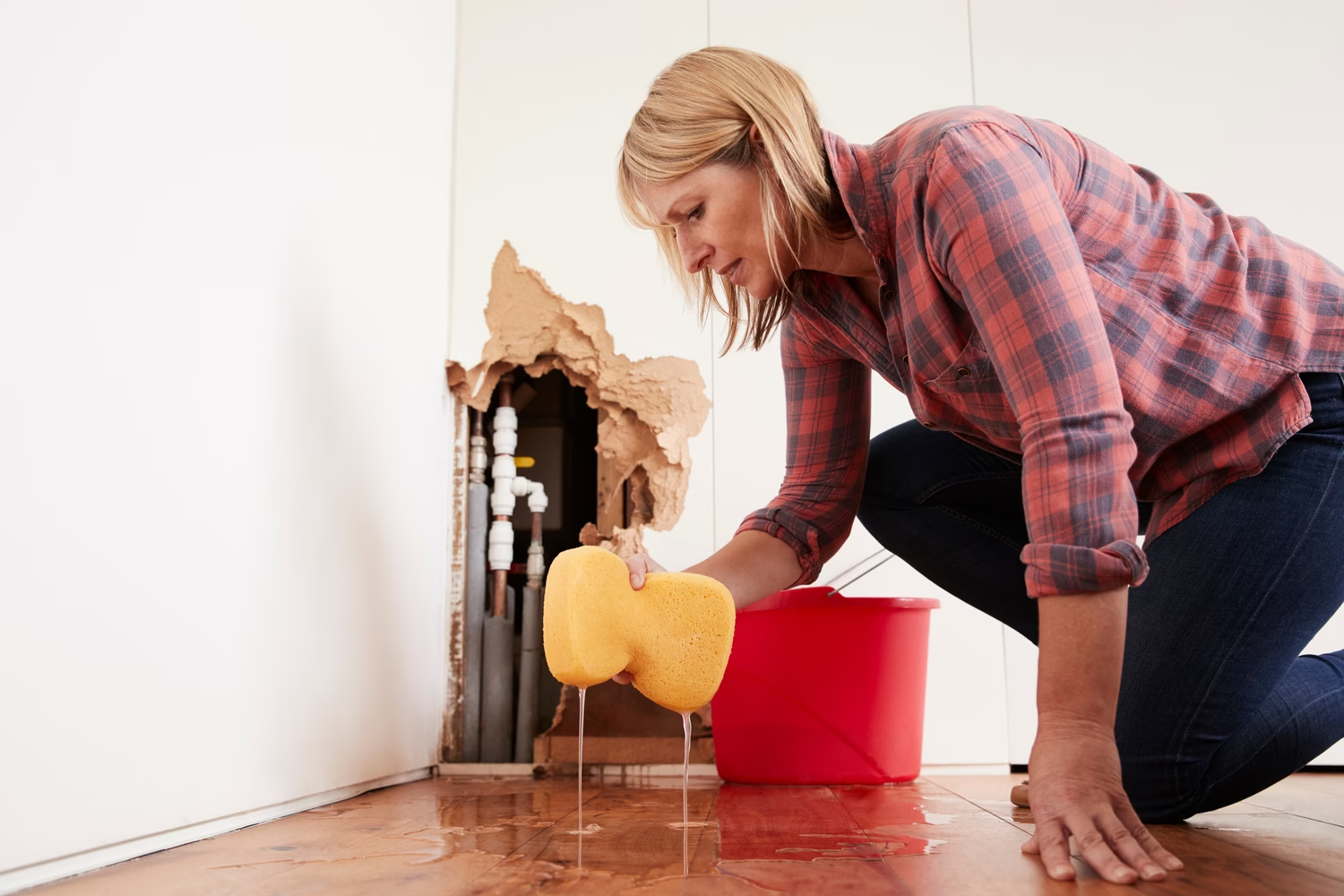

When water damage happens inside your home, one of the first questions most homeowners ask is, how long does water damage restoration take? The answer depends on the source of the water, how much of the home was affected, how quickly drying begins, whether damaged materials need to be removed, and whether reconstruction is required after the cleanup phase.
For homeowners in Portland, Vancouver, Camas, Beaverton, Battle Ground, and surrounding communities, water damage can happen from burst pipes, appliance leaks, roof leaks, plumbing failures, storm damage, overflowing fixtures, or hidden moisture behind walls and flooring. Some projects can be stabilized in a few days, while larger restoration and rebuild projects may take several weeks.
SUREBUILD helps homeowners through the full recovery process after water damage, including inspection, mitigation, drying, cleanup, documentation, repairs, and rebuild services. If you are trying to understand how long does water damage restoration take, this guide explains the typical timeline and the factors that can make restoration faster or slower.
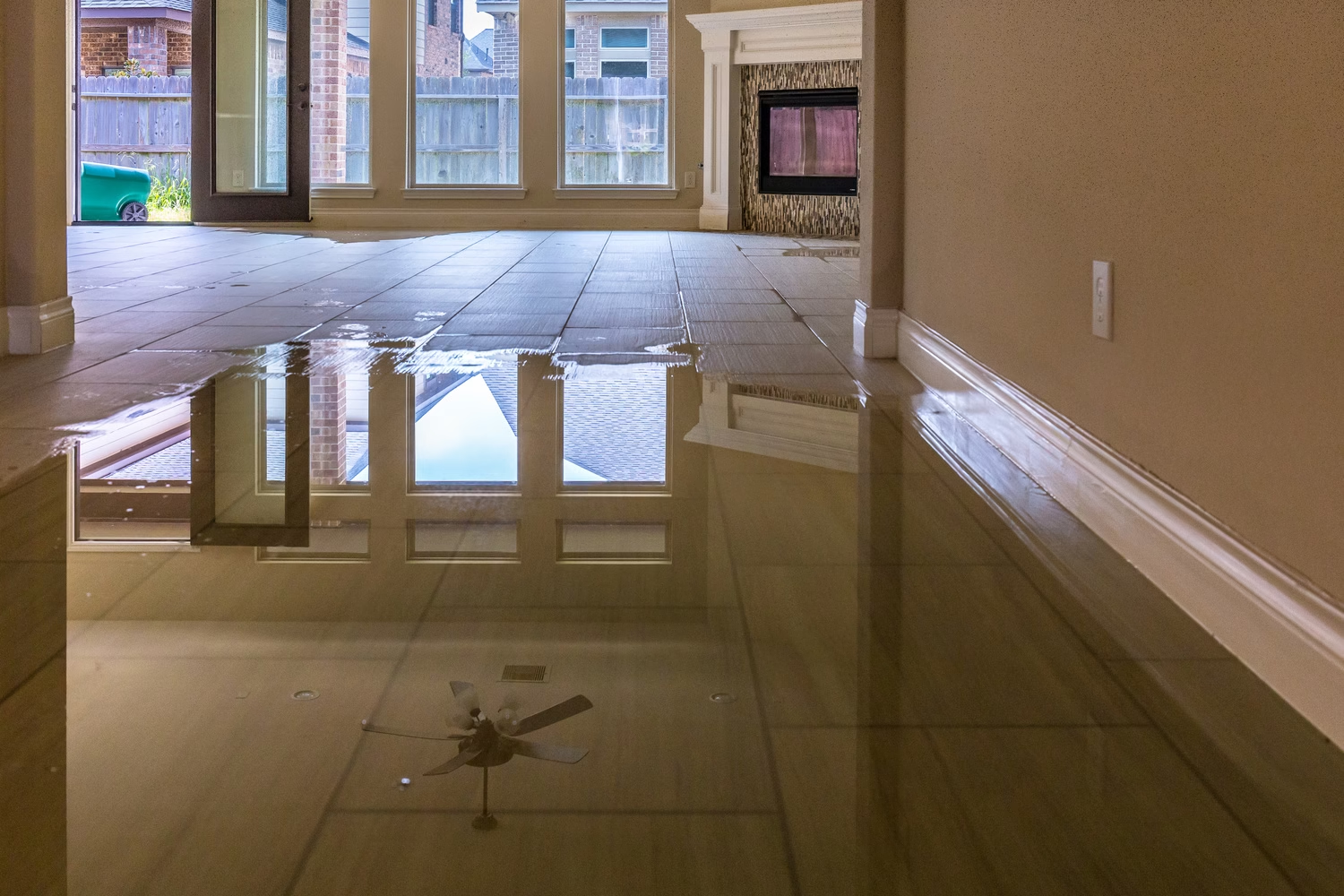
How Long Does Water Damage Restoration Take?
Most water damage restoration projects take anywhere from a few days to several weeks. Minor water damage may only require inspection, water removal, drying, and light repairs. Moderate water damage may require several days of drying plus replacement of damaged flooring, drywall, insulation, trim, or cabinetry. Severe water damage may require demolition, structural drying, mold prevention, insurance documentation, and full reconstruction.
In many cases, the drying phase alone takes about 3 to 7 days. However, that does not always mean the entire restoration project is finished in 3 to 7 days. Drying is only one part of the process. If materials were damaged beyond repair, the rebuild phase can add more time.
That is why the answer to how long does water damage restoration take depends on the full scope of the damage. A small bathroom leak is very different from a burst pipe that affects multiple rooms or a roof leak that damages ceilings, walls, insulation, and flooring.
Typical Water Damage Restoration Timeline
Although every project is different, most water damage restoration jobs follow a similar sequence. Understanding this process can help homeowners know what to expect after calling a restoration company.
Day 1: Emergency Inspection And Mitigation
The first step is identifying the source of the water, evaluating safety concerns, and determining how far moisture has spread. If water is still entering the home, the source must be stopped before the restoration process can move forward.
During the first visit, a restoration team may inspect affected rooms, check visible damage, document moisture concerns, and begin emergency mitigation. If there is standing water, water extraction may begin right away. If wet materials need to be removed quickly, demolition may also start during this stage.
This first day is critical. The faster water damage restoration begins, the better chance homeowners have of limiting additional damage.
Days 1 To 3: Water Extraction And Material Removal
If standing water is present, water extraction is usually one of the first active restoration steps. Removing excess water quickly helps reduce moisture absorption into flooring, drywall, baseboards, cabinets, and structural materials.
Some materials may need to be removed if they are heavily saturated or cannot be dried safely. This may include carpet padding, damaged drywall, insulation, baseboards, flooring, or cabinetry. The amount of removal needed depends on the category of water, the amount of saturation, and how long the materials were wet.
For smaller losses, this phase may be completed quickly. For larger losses affecting multiple rooms, it can take longer to remove damaged materials and prepare the structure for drying.
Days 2 To 7: Structural Drying
Structural drying is often the part of the process homeowners ask about most. Drying equipment such as air movers and dehumidifiers may be placed throughout the affected areas to remove moisture from building materials and the air.
In many water damage restoration projects, drying takes about 3 to 7 days. However, drying time can vary depending on the amount of water, the materials affected, ventilation, humidity, temperature, and whether moisture is trapped behind walls or under flooring.
Restoration teams may monitor moisture levels throughout the drying process. The goal is to make sure affected materials are drying properly before repairs begin.
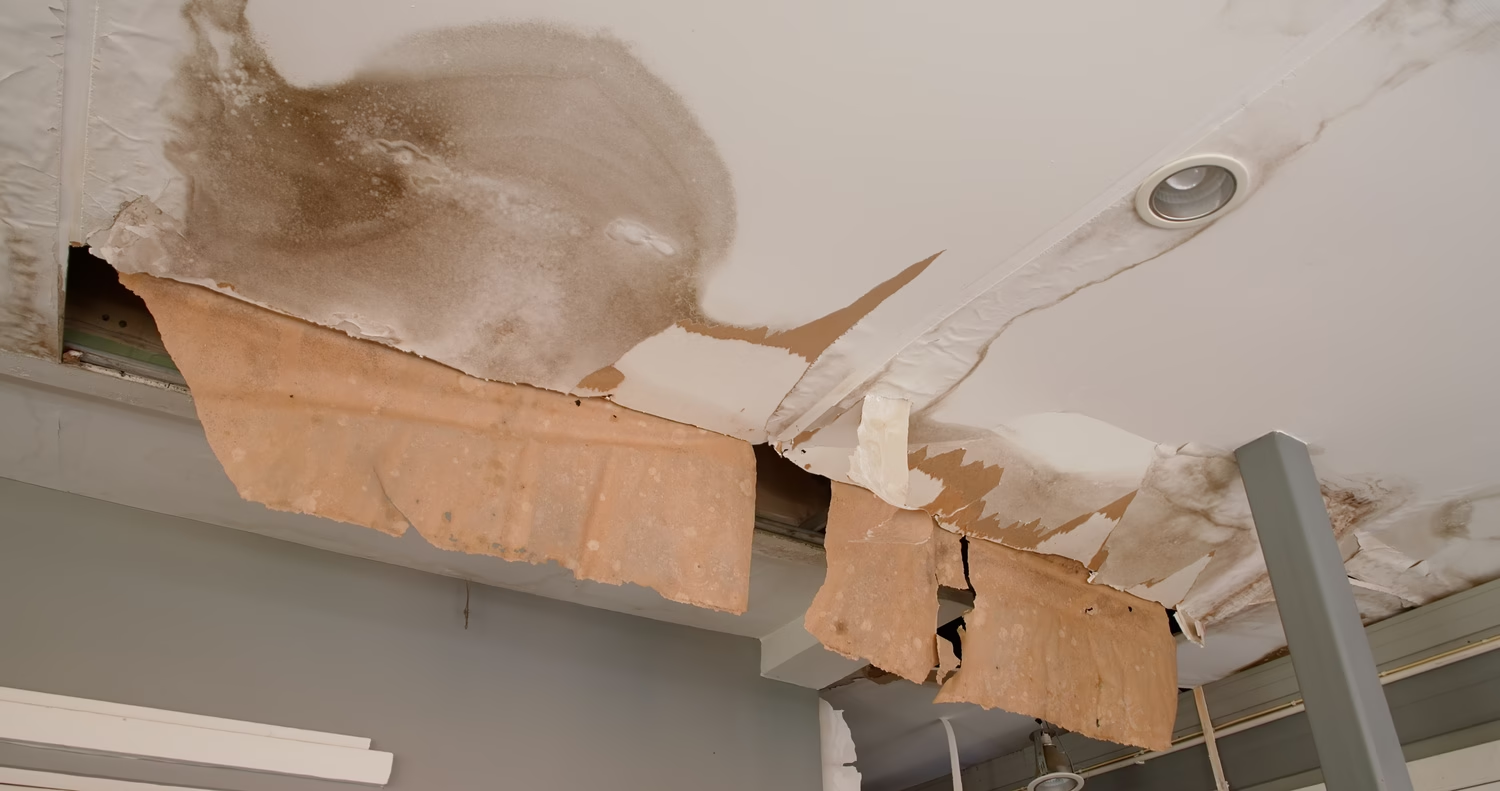
What Factors Affect How Long Water Damage Restoration Takes?
Several factors can affect the timeline. Two homes may both have water damage, but the restoration schedule can be completely different depending on the severity of the loss.
1. The Source Of The Water
The source of the water can impact cleanup, safety, drying, and insurance documentation. Clean water from a broken supply line may be easier to address than water from a sewer backup or flood event. Contaminated water may require additional safety steps, material removal, cleaning, and sanitizing.
2. How Long The Water Was Present
The longer water sits, the more damage it can cause. Moisture can move under flooring, behind baseboards, into wall cavities, and into insulation. A leak caught within minutes is usually easier to restore than a leak that went unnoticed for days or weeks.
3. How Much Of The Home Was Affected
A small leak affecting one room will usually take less time than water damage affecting multiple rooms, ceilings, walls, flooring, cabinets, and crawl spaces. Larger affected areas require more inspection, more equipment, more monitoring, and often more repairs.
4. The Materials That Were Damaged
Some materials dry more easily than others. Tile and concrete may respond differently than hardwood flooring, carpet padding, drywall, insulation, or cabinetry. Porous materials can absorb moisture and may need to be removed if they cannot be dried safely.
5. Hidden Moisture
Hidden moisture is one of the biggest reasons a water damage restoration timeline can change. Water may travel behind walls, under flooring, into ceilings, or into crawl spaces. A room may look dry on the surface while moisture remains trapped underneath.
6. Mold Concerns
Mold can begin developing when moisture remains trapped in building materials. If mold is discovered, the project may require additional containment, removal, cleaning, and safety procedures. This can add time to the restoration process.
7. Insurance Claim Requirements
If an insurance claim is involved, documentation and approval can affect the overall timeline. Emergency mitigation may begin quickly, but reconstruction may require adjuster review, estimates, approvals, or additional communication with the insurance carrier.
How Long Does Drying Equipment Stay In Place?
Drying equipment commonly stays in place for several days. In many situations, air movers and dehumidifiers may run continuously until moisture readings show that affected materials have reached acceptable drying levels.
Homeowners sometimes wonder if drying equipment can be removed early because rooms feel dry. Surface dryness does not always mean the structure is fully dry. Moisture can remain inside walls, under flooring, and behind cabinets even when the visible surface feels normal.
Removing equipment too early can lead to lingering moisture, odors, mold concerns, and additional repairs later. A professional restoration team should monitor moisture levels before deciding when drying equipment can be removed.
Can Water Damage Restoration Be Completed In One Day?
Some very minor water issues may be cleaned up quickly, but true water damage restoration is rarely finished in one day when building materials are affected. Even if visible water is removed immediately, drying and monitoring usually take additional time.
If water only affected a small hard-surface area and did not spread into walls, flooring, or cabinets, the process may be simple. But when moisture enters porous materials, drying and inspection are necessary to reduce the risk of hidden damage.
So, how long does water damage restoration take for a small issue? It may take a few days. For moderate or severe damage, homeowners should expect a longer timeline.
How Long Does Water Damage Repair Take After Drying?
Once the drying phase is complete, repairs may begin. The repair timeline depends on what materials were removed and what needs to be rebuilt.
Small repairs may include replacing baseboards, patching drywall, painting, or reinstalling flooring. Larger repairs may include rebuilding walls, replacing cabinets, repairing ceilings, restoring flooring, correcting structural issues, or completing a larger home rebuild.
For minor repairs, the rebuild phase may take only a few days. For larger projects, reconstruction may take several weeks depending on materials, scope, scheduling, and insurance approvals.
SUREBUILD provides home rebuild services for homeowners who need repairs after water damage, fire damage, smoke damage, or storm damage.
Why Fast Response Helps Shorten The Timeline
The sooner water damage restoration begins, the easier it is to limit the damage. Fast response can help prevent water from spreading deeper into the home and reduce the amount of material that needs to be removed.
Quick action can also reduce the risk of mold growth. Mold may begin developing within 24 to 48 hours when moisture is trapped inside building materials. Starting the drying process quickly gives homeowners a better chance of avoiding additional complications.
If you are dealing with active water damage, do not wait to see if it dries on its own. Professional inspection can help identify hidden moisture and determine what steps are needed.
What Homeowners Should Do Before The Restoration Team Arrives
If water damage happens in your home, safety should come first. Do not enter standing water if electrical hazards may be present. Avoid affected areas if ceilings, walls, or floors appear unstable. If the water may be contaminated, avoid direct contact.
If it is safe, homeowners can take these steps:
- Stop the source of water if possible.
- Turn off water to the affected fixture or home if needed.
- Move valuables away from wet areas.
- Take photos and videos of visible damage.
- Contact your insurance company if you plan to file a claim.
- Call a professional water damage restoration company.
Do not throw away damaged materials before they are documented, especially if insurance may be involved. Photos, videos, and professional documentation can help create a clearer record of the damage.
Does Insurance Affect The Water Damage Restoration Timeline?
Insurance can affect the overall project timeline, especially when repairs or reconstruction are needed. Emergency mitigation and drying should begin quickly to help prevent additional damage. However, the repair phase may require documentation, estimates, adjuster review, and approval.
Many homeowners also ask whether insurance covers water damage restoration. Coverage depends on the source of the water and the terms of the policy. Sudden and accidental water damage may be covered, while long-term leaks, poor maintenance, groundwater intrusion, and flooding may be excluded or require separate coverage.
SUREBUILD helps homeowners with documentation and restoration planning after water damage. While your insurance company determines coverage, a professional restoration team can help identify affected areas and organize the cleanup and repair process.
How Water Damage Restoration Helps Prevent Mold
Mold prevention is one of the most important reasons to begin restoration quickly. Moisture trapped behind walls, under floors, inside cabinets, or in crawl spaces can create conditions where mold may grow.
Professional water damage restoration helps reduce this risk by removing water, drying affected materials, monitoring moisture levels, and identifying materials that may need to be removed. If moisture is left untreated, mold can spread and make the project more complicated.
Fast drying does not guarantee that mold will never appear, but it significantly reduces the conditions that allow mold to develop.
Signs Your Water Damage Project May Take Longer
Some water damage projects are more complex than they first appear. The timeline may be extended if the restoration team discovers hidden moisture, structural damage, mold concerns, or materials that cannot be dried safely.
Your project may take longer if:
- Water affected multiple rooms
- Flooring is warped or buckling
- Drywall is soft, stained, or bubbling
- Cabinets absorbed moisture
- Insulation is wet
- There is a musty odor
- Moisture reached a crawl space
- Mold is discovered
- Reconstruction is required
Even if the damage looks minor, hidden moisture can change the scope of the project. That is why inspection and moisture monitoring are so important.

Why Homeowners Choose SUREBUILD
Water damage can be overwhelming, especially when cleanup, insurance questions, drying, repairs, and rebuild work all need to happen at the same time. SUREBUILD helps homeowners move through the process with clear communication and professional restoration support.
Our team provides restoration and rebuild services for:
- Water damage restoration
- Emergency water mitigation
- Fire damage restoration
- Smoke damage cleanup
- Storm damage repairs
- Home rebuild services
- Insurance-related restoration projects
SUREBUILD serves homeowners throughout Portland, Vancouver, Camas, Beaverton, Battle Ground, and surrounding Pacific Northwest communities.
Final Answer: How Long Does Water Damage Restoration Take?
So, how long does water damage restoration take? For many homes, the drying phase may take about 3 to 7 days. Minor water damage may be completed within a few days, while moderate or severe damage can take several weeks if demolition, repairs, mold prevention, insurance documentation, or reconstruction are needed.
The fastest way to reduce the timeline is to act quickly. Stop the water if it is safe, document the damage, contact your insurance company if needed, and call a professional restoration company to inspect and dry the affected areas.
If your home has experienced water damage in Portland, Vancouver, Camas, Beaverton, Battle Ground, or nearby areas, SUREBUILD can help with professional cleanup, drying, water damage restoration, rebuild services, and insurance-related documentation.
Contact SUREBUILD today to schedule an inspection and get help after water damage.